
Cost of Living Showdown: Thailand vs. Vietnam vs. Bali vs. Philippines
Real monthly breakdown of housing rent, submetered utilities, daily sustenance, transportation, and hidden operational friction across Southeast Asia.
⚡ Executive Summary: The Harsh Financial Realities
- The $500/Month Myth is Dead: You cannot live a safe, legal, and productive remote life in urban Southeast Asia for $500/month. The true absolute survival floor sits at $950 to $1,200/month.
- Vietnam is the Unchallenged Value Winner: Modern beachfront studios in Da Nang cost $280 to $450/month. Daily street food costs $1.50 to $2.50. High-speed 250 Mbps fiber costs $12/month. Total comfortable monthly burn sits at $950 to $1,400.
- Thailand Delivers Peak Infrastructure per Dollar: Bangkok and Chiang Mai offer rapid mass rail (BTS/MRT), world-class hospitals, and the 5-Year Destination Thailand Visa (DTV). Comfortable living costs $1,800 to $2,350/month.
- Bali Suffers Severe Post-2023 Inflation: Canggu villa rents now command $1,350 to $2,200/month. Western cafes levy mandatory 16% to 21% PB1 tax and service charges ("++"). Total comfortable monthly burn reaches $2,200 to $3,200.
- The Philippines Has an Expensive Power Trap: Retail electricity tariffs in Manila and Cebu reach $0.20 to $0.23/kWh (highest in ASEAN). Running air conditioning 20 hours daily adds $140 to $230/month to your power bill. Comfortable BGC living requires $1,800 to $2,600/month.
Table of Contents
1. Master 4-Country Comparison Table (2026 Benchmarks)
The table below benchmarks verified median monthly costs in USD for single remote professionals residing in major metropolitan and coastal expat enclaves. Figures include realistic utility submetering, daily sustenance, amortized visa renewal costs, and inpatient health insurance.
| Expense Category | Thailand (THB / USD) | Vietnam (VND / USD) | Bali, Indonesia (IDR / USD) | Philippines (PHP / USD) |
|---|---|---|---|---|
| Modern 1BR Condo / Apt | $450 – $750 ฿15,700 – ฿26,200 |
$280 – $580 7.2M – 15.0M VND |
$650 – $1,350 10.4M – 21.6M IDR |
$550 – $1,100 ₱31,300 – ₱62,700 |
| Electricity (Air Con Burn) | $80 – $140 MEA/PEA rate: 4.5฿/unit |
$40 – $95 EVN tiered billing |
$75 – $160 PLN prepaid tokens |
$140 – $230 Meralco: ₱12.5/kWh |
| Daily Sustenance (Food & Coffee) | $350 – $550 Street food + Pier 21 + cafes |
$240 – $380 $1.50 meals + $0.80 coffee |
$420 – $700 Includes 21% PB1 tax/svc |
$350 – $580 High imported grocery cost |
| Urban Transit & Mobility | $70 – $130 BTS/MRT cards + Bolt bikes |
$45 – $90 Xanh SM EV bikes ($1/ride) |
$110 – $180 Scooter rental + gas + Gojek |
$75 – $150 Angkas moto + GrabCar |
| Fiber Internet & 5G Mobile | $25 – $40 AIS 500Mbps + 5G SIM |
$15 – $25 Viettel 250Mbps: $11/mo |
$35 – $55 Biznet fiber + Telkomsel |
$40 – $65 PLDT 200Mbps + Smart 5G |
| Amortized Visa Overhead | $50 – $150 DTV amortized ($290 / 5 yrs) |
$35 – $90 90-day e-Visa border runs |
$130 – $200 E33G KITAS or C1 extensions |
$48 – $70 BI 2-mo extensions + ACR Card |
| Inpatient Health Insurance | $75 – $140 High-deductible IPMI policy |
$65 – $120 Emergency inpatient cover |
$80 – $150 Emergency inpatient cover |
$75 – $135 Emergency inpatient cover |
| Realistic Monthly Total | $1,100 – $1,800 | $715 – $1,340 | $1,540 – $2,795 | $1,278 – $2,325 |
$1,000 / Month
Living in Da Nang or Chiang Mai outskirts. Fan by day, AC 6 hours at night. 90% local street food dining. Public transit or second-hand scooter. High quality of life with zero luxury waste.
$2,000 / Month
Modern 1-bed condo with pool and gym in Bangkok, Da Nang, or Cebu. 14 hours daily AC. Daily specialty cafe pour-overs, mix of Western and local dining, dedicated coworking desk, full health insurance.
$3,500+ / Month
Prime high-rise in BGC Manila, private villa in Pererenan Bali, or luxury tower in Asok Bangkok. 24/7 central AC, fine dining, imported steak and wine, private driver/GrabCar Plus daily, executive healthcare.
2. Thailand: Bangkok vs. Chiang Mai
Thailand offers Southeast Asia's most balanced digital infrastructure. The country combines grade-separated urban rail, reliable 1 Gbps fiber, and premier JCI-accredited private hospitals with deep affordability outside prime tourist enclaves.
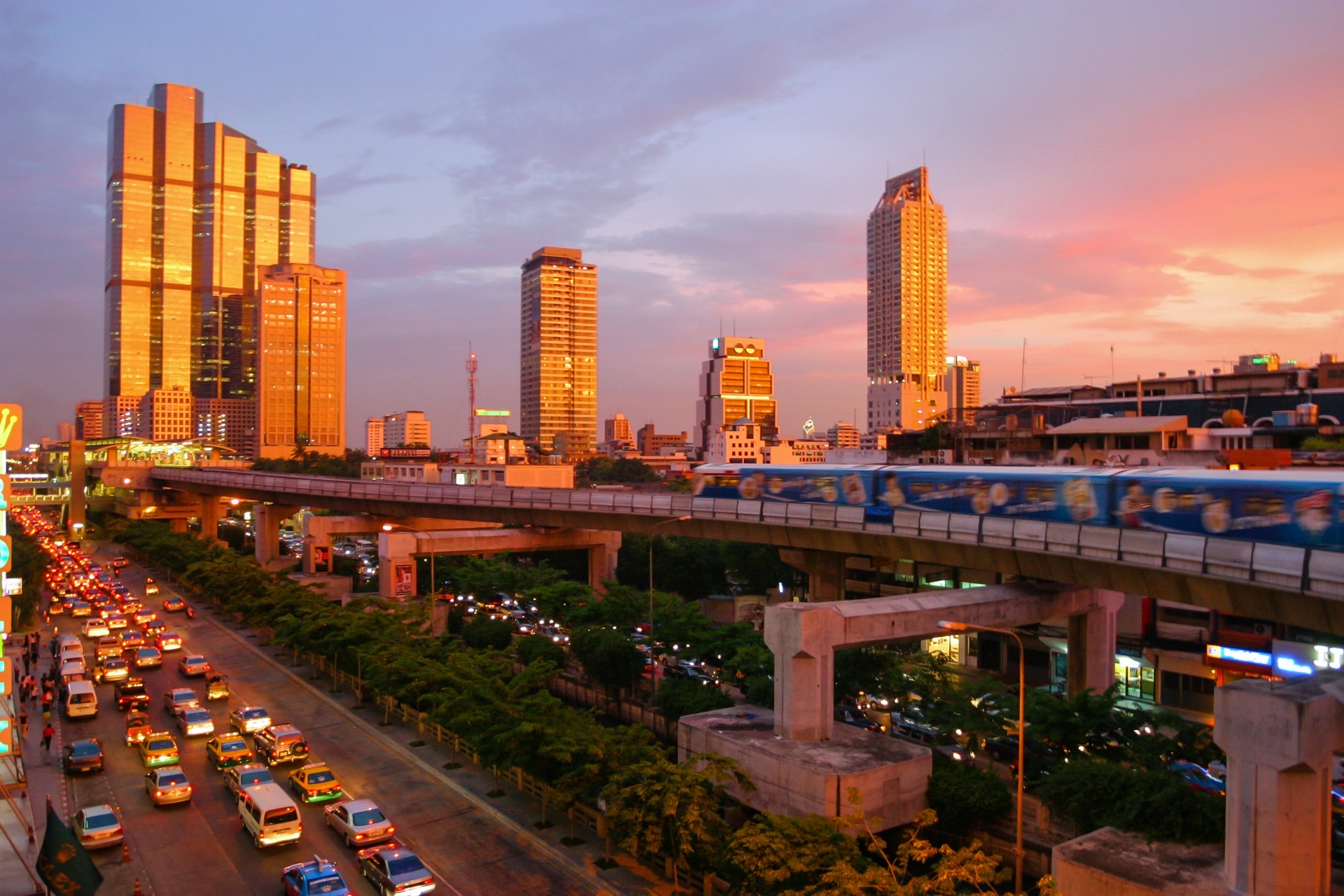
Rent costs split into two distinct tiers: Bangkok and Chiang Mai. In Bangkok, living directly on the BTS Skytrain in prime Asok or Sathorn commands ฿26,000 to ฿48,000 ($740–$1,370 USD)/month for a modern 1-bedroom unit. Moving just 15 minutes down the Sukhumvit line to On Nut or Phra Khanong drops rents to ฿13,000 to ฿21,000 ($370–$600 USD).
Chiang Mai Neighborhood Arbitrage
In Chiang Mai, the digital nomad epicenter of Nimman (Nimmanhaemin) commands ฿14,000 to ฿24,000 ($400–$685 USD)/month for modern 1-bedroom apartments near Maya Mall. However, relocating five minutes northeast into Santitham slashes rent to ฿7,500 to ฿13,500 ($215–$385 USD) while keeping you within walking distance of specialty coffee. Budget studios in Jed Yod rent for just ฿5,000 to ฿9,500 ($140–$270 USD).
⚠️ The Electricity Tariff Trap: MEA/PEA vs. Landlord Markup
Condominiums bill electricity at the official government rate (Metropolitan Electricity Authority - MEA in Bangkok; Provincial Electricity Authority - PEA in Chiang Mai) of ฿4.20 to ฿4.70 per kWh. In older apartment buildings operating on private submeters, predatory landlords bill tenants at ฿7.00 to ฿10.00 per unit. During peak hot season (April–May), running air conditioning 16 hours daily will cost $75 to $130 at MEA rates, but will balloon to $150 to $250+ under landlord submeter markups. Always verify direct government billing in your lease.
For legal residency, remote workers leverage the 5-Year Destination Thailand Visa (DTV), which costs ~$290 USD and grants 180 days per entry without border runs. For daily travel, Bolt operates 20% to 35% cheaper than Grab for both motorcycle and car rides in Bangkok and Chiang Mai. Review our complete Thailand Expat & Entrepreneur Guide for neighborhood rankings.
3. Vietnam: Da Nang vs. Ho Chi Minh City vs. Hanoi
Vietnam delivers the highest purchasing power for remote workers in Southeast Asia. The country combines an unbeatable food baseline ($1.50 street meals), high-speed fiber internet ($12/month), and an ultra-modern electric vehicle transit network.
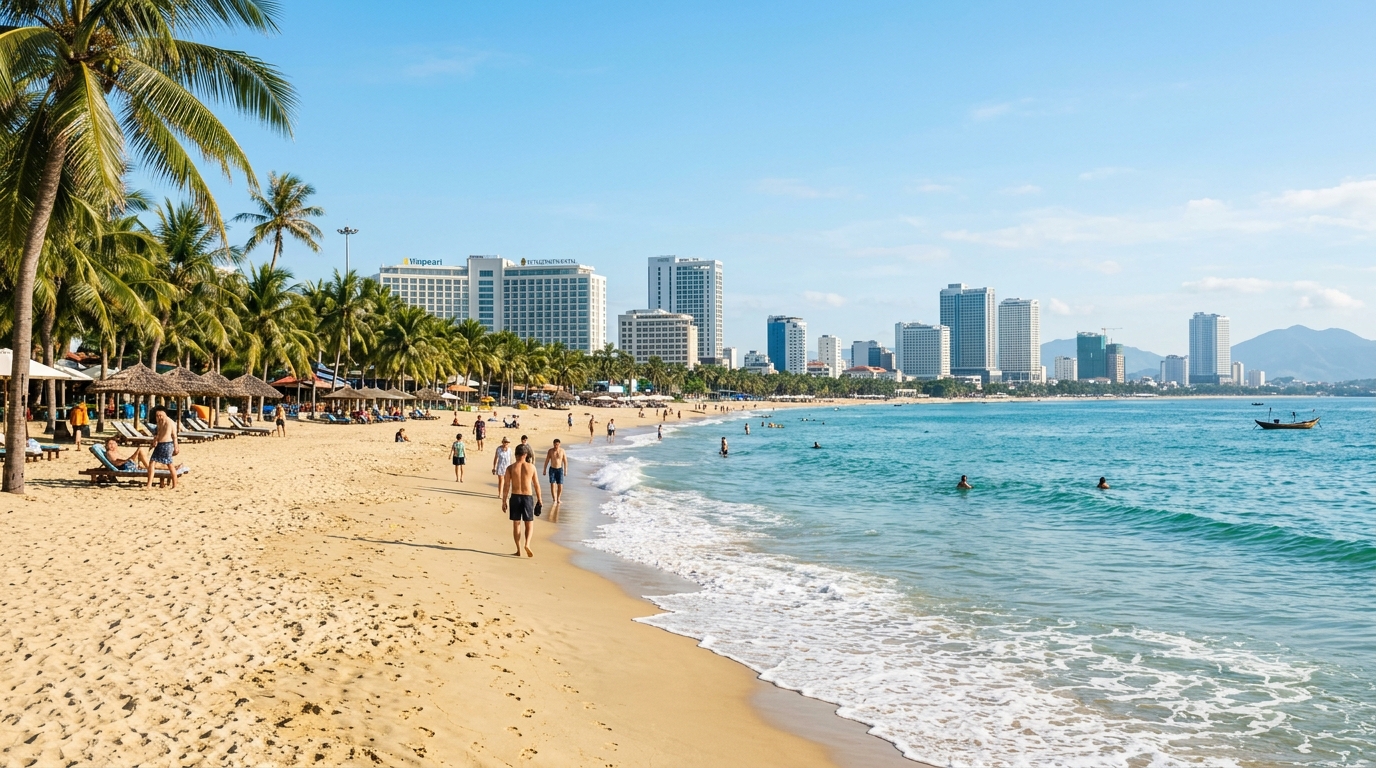
Da Nang stands as the regional value champion. In the coastal enclaves of An Thuong and My Khe Beach, modern fully furnished studio and 1-bedroom serviced apartments rent for 7,000,000 to 11,000,000 VND ($270–$425 USD)/month, inclusive of high-speed Wi-Fi, elevator access, and weekly cleaning.
Metropolitan Reality: Ho Chi Minh City & Hanoi
In Ho Chi Minh City (Saigon), prices rise in the expat enclaves. A modern 1-bedroom condo in District 2 (Thao Dien / An Phu) commands 15,000,000 to 22,000,000 VND ($580–$850 USD)/month, while serviced studios in central District 1 alleys cost $460 to $770 USD.
In Hanoi, serviced apartments overlooking West Lake (Tay Ho) rent for 8,000,000 to 15,000,000 VND ($310–$580 USD)/month. While food and rent remain cheap, Hanoi experiences colder winter weather and elevated air quality (AQI) challenges from December to February.
💡 The Xanh SM Electric Fleet Disruption
Vietnam’s urban mobility underwent a massive transformation with VinFast’s Xanh SM (GSM) electric fleet. Unlike petrol-powered taxis with unpredictable fare surges, Xanh SM electric scooters and cars provide clean, odorless, air-conditioned transport at flat predictable rates ($1.00 to $1.80 for cross-town scooter trips). The service proved so dominant that Gojek exited Vietnam in late 2024.
The 90-Day e-Visa Cycle: Foreigners without corporate sponsorship maintain residency via the official 90-day e-Visa ($25 single / $50 multi). Overland border runs from HCMC to Mộc Bài (Cambodia) cost $80 to $130 round-trip including transit and Cambodian visa fees, amounting to an amortized cost of ~$30 to $45/month. Read our detailed Vietnam Expat & Visa Playbook.
4. Bali: Canggu vs. Ubud vs. Sanur
The era of living in a luxury private villa in Bali for $800/month has vanished. Overdevelopment, international migration, and speculative property leasing have transformed coastal southwest Bali into an expensive, tiered economy.
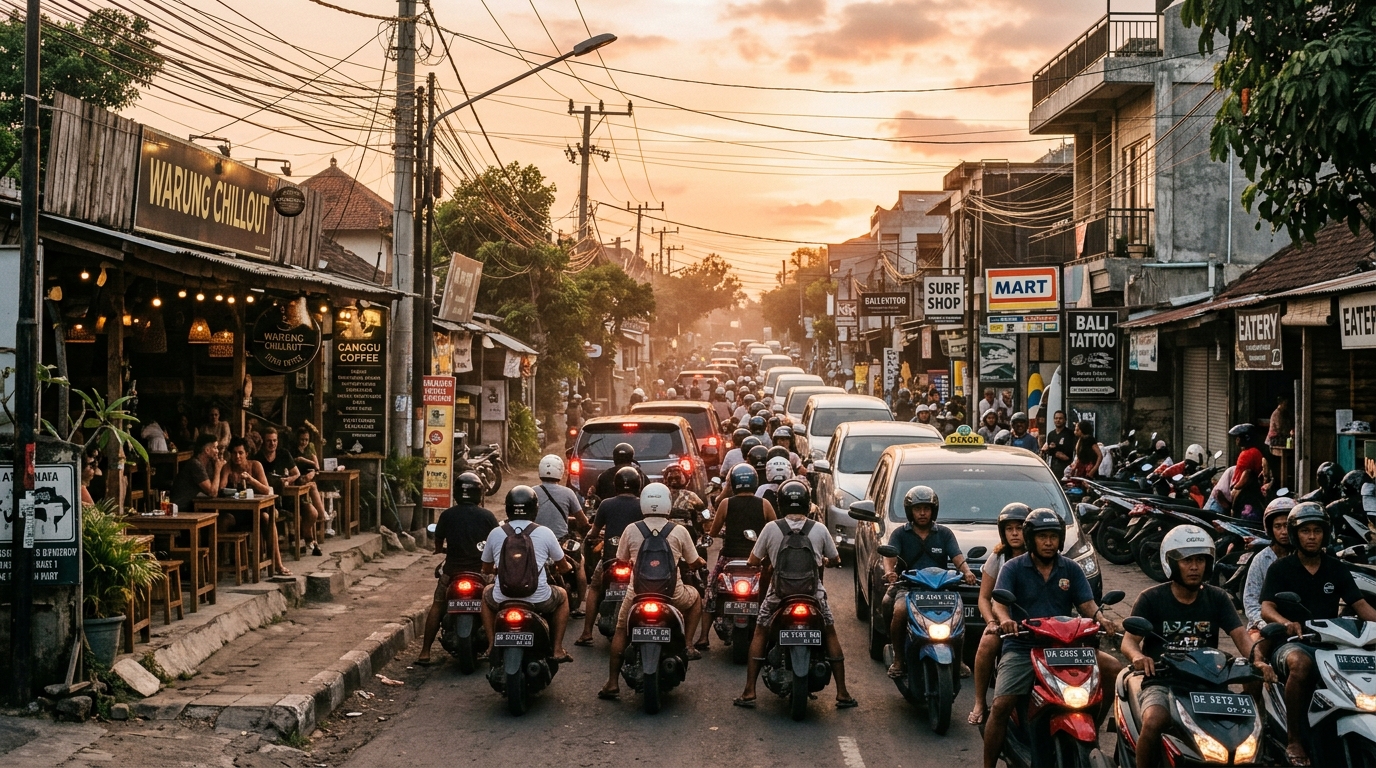
In Canggu, Berawa, and Pererenan, private 1-bedroom villas now command 22,000,000 to 35,000,000 IDR ($1,375–$2,200 USD)/month on rolling monthly contracts. Quality Western boutique guesthouses (ensuite room, communal pool, fiber internet) cost 10,000,000 to 16,000,000 IDR ($625–$1,000 USD).
The 30% Geographic Arbitrage: Ubud & Sanur
Moving 45 minutes outside the Canggu bottleneck instantly slashes accommodation costs. In Ubud, boutique guesthouses cost 6,000,000 to 10,000,000 IDR ($375–$625 USD)/month, representing a 35% discount. On the southeast coast in Sanur, expats enjoy flat paved beachfront promenades, calm swimming waters, and 1-bed rentals for $400 to $700 USD with dramatically better traffic safety.
⚠️ The 21% "Plus-Plus" Dining Surcharge & Upfront Rent Trap
- The 21% Bill Trap: Western cafes and beach clubs display menu prices that exclude mandatory add-ons: 10% government restaurant tax (PB1) plus 5% to 11% service charge. A quoted IDR 160,000 brunch plate checkouts at IDR 193,600 ($12.10 USD).
- The 100% Upfront Lease Trap: Landlords in Bali demand 6 to 12 months of rent paid upfront in cash. If monsoon storms cause roof leaks or a noisy construction site breaks ground next door, you hold zero legal leverage to recover your funds.
For legal status, remote workers utilize the E33G Remote Worker KITAS ($60,000 USD/year income proof), which costs ~$1,800 to $2,400 USD annually through licensed visa agents (amortized at $155 to $200/month). Review our full breakdown in the Bali Expat & Digital Nomad Guide.
5. Philippines: BGC vs. Makati vs. Cebu IT Park
The Philippines provides native English fluency, friendly local culture, and high walkability in master-planned central business districts. However, high utility tariffs and imported grocery logistics create significant cost inflation.
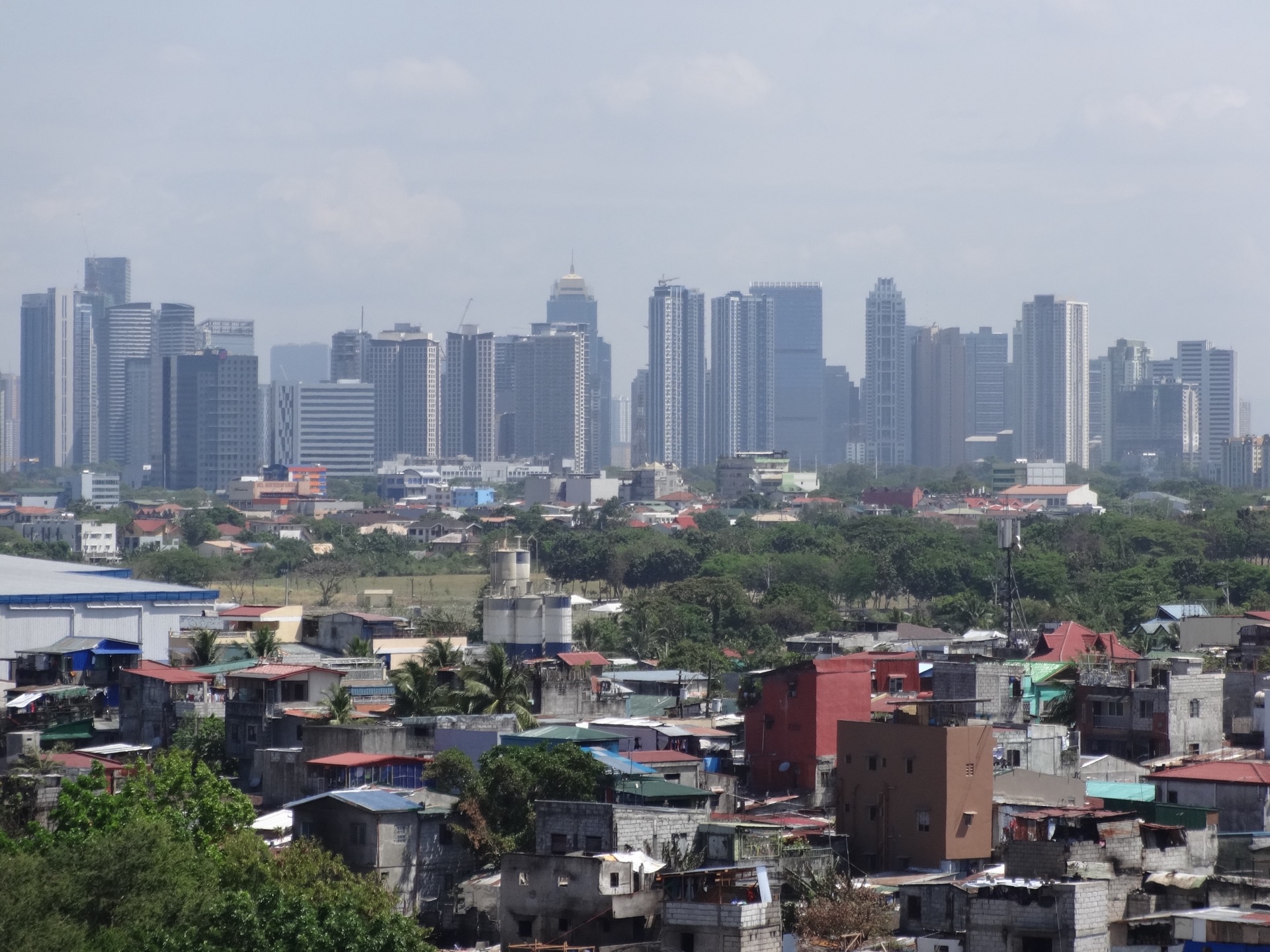
In Bonifacio Global City (BGC, Taguig), modern high-rise 1-bedroom condos command ₱45,000 to ₱80,000 ($790–$1,400 USD)/month, excluding condo association dues (₱4,000–₱7,500/month). In adjacent Makati (Legazpi / Salcedo Village), walkable condos rent for ₱35,000 to ₱57,000 ($615–$1,000 USD).
The Cebu IT Park Cost Arbitrage
In Cebu City (Cebu I.T. Park / Lahug), modern condos rent for ₱22,000 to ₱40,000 ($385–$700 USD)/month—delivering a 40% discount compared to Manila. The area operates 24/7 with high-speed fiber, night food markets (Sugbo Mercado), and walkable streets, making it the top destination for bootstrappers in the country.
⚠️ The Meralco Power Trap & Post-Dated Checks (PDCs)
- Highest Electricity in ASEAN: Under the privatized EPIRA power grid, Meralco charges ₱11.50 to ₱13.00+ per kWh ($0.20–$0.23/kWh). Running an inverter AC 18 hours daily generates power bills of ₱8,000 to ₱11,500 ($140–$200 USD)/month. Older non-inverter window units easily produce bills of $250 to $300/month!
- Criminal Liability on Checks (BP 22): Landlords routinely demand 10 to 11 Post-Dated Checks drawn on a local checking account. Under Batas Pambansa Blg. 22, a bounced check carries criminal penalties. Tourist visa holders cannot easily open checking accounts without an ACR I-Card. Always negotiate electronic bank transfers upfront.
The 36-Month Tourist Stay Advantage: The Philippines allows tourists to extend their stay up to 36 consecutive months without leaving the country. Routine 2-month extensions at the Bureau of Immigration cost ~$50 to $75 USD, plus a mandatory Alien Certificate of Registration (ACR I-Card) fee of $50 USD. Read our Philippines 36-Month Stay & Expat Guide.
6. Food, Groceries & The Alcohol Divide
Food expenses vary wildly depending on whether you purchase domestic agricultural produce or imported Western comfort items. The table below benchmarks identical everyday staple items across all four countries:
| Pantry Staple | Thailand | Vietnam | Bali (Indonesia) | Philippines |
|---|---|---|---|---|
| Street Meal (Pad Krapow / Phở / Nasi Campur / Silog) | 50–70 THB ($1.43–$2.00) | 35k–55k VND ($1.40–$2.20) | 25k–40k IDR ($1.56–$2.50) | 80–120 PHP ($1.40–$2.11) |
| 1L Fresh Whole Milk | 48–56 THB ($1.37–$1.60) | 36k–44k VND ($1.44–$1.76) | 30k–38k IDR ($1.88–$2.38) | 95–130 PHP ($1.67–$2.28) |
| 1kg Boneless Chicken Breast | 90–120 THB ($2.57–$3.43) | 85k–110k VND ($3.40–$4.40) | 65k–90k IDR ($4.06–$5.63) | 240–320 PHP ($4.21–$5.61) |
| 1 Dozen Large Eggs | 55–70 THB ($1.57–$2.00) | 32k–42k VND ($1.28–$1.68) | 28k–36k IDR ($1.75–$2.25) | 105–140 PHP ($1.84–$2.46) |
| Domestic Beer (330ml Can at Supermarket) | 42–52 THB ($1.20–$1.49) | 13k–18k VND ($0.52–$0.72) | 22k–28k IDR ($1.38–$1.75) | 45–65 PHP ($0.79–$1.14) |
| Specialty Cappuccino / Flat White | 90–140 THB ($2.57–$4.00) | 60k–90k VND ($2.40–$3.60) | 40k–60k IDR++ ($3.00–$4.50) | 170–240 PHP ($2.98–$4.21) |
The Supermarket Price Chasm
Shopping at expat supermarkets like Villa Market (Thailand), Annam Gourmet (Vietnam), Pepito (Bali), or The Marketplace (Philippines) will inflate your grocery bill by 100% to 250%. A block of European cheese, imported butter, and foreign cereal routinely costs $25 to $35 USD. Buy fresh produce, eggs, and poultry at mass hypermarkets like Big C, Lotus's, Co.opmart, Grand Lucky, and SM Supermarket.
The Sin Tax & Alcohol Divide
Vietnam and the Philippines offer ultra-cheap alcohol: fresh Bia Hơi costs $0.45 to $0.60/glass in Hanoi, while San Miguel beer costs $0.80 and Tanduay rum costs $2.10/bottle in Manila. In contrast, Bali levies 150% to 200% import duties on foreign spirits (making cocktails $9–$15), while Thailand enforces strict alcohol sales windows (11am–2pm and 5pm–midnight) and heavy wine taxes.
🛵 The Delivery App Markup Tax (GrabFood vs. ShopeeFood vs. GoFood)
Restaurants in Southeast Asia do not absorb delivery platform commissions (25% to 35%). Instead, they maintain separate delivery menus with 20% to 35% markups. Adding delivery fees, packaging fees, and tech fees increases the final bill by 45% to 80% over dine-in prices. An order that costs $4.00 at the street stall easily checks out at $7.50 on the app. Ordering delivery twice daily wastes $200 to $350/month in platform friction.
7. Housing Leases & Deposit Traps
Securing accommodation in Southeast Asia requires navigating distinct lease structures, platform markups, and deposit risks:
Deconstructing the 40%–80% Airbnb Premium
Booking month-to-month on Airbnb costs 40% to 80% more than signing a direct residential lease. This premium consists of concrete operational costs:
- Platform Take Rates & Taxes (18%–25%): Host fees, guest fees, local hospitality taxes (Bali PB1 10%), and municipal VAT.
- The Uncapped Utility Buffer (15%–20%): Because Airbnb includes electricity, hosts calculate bills assuming tenants run air conditioners 24/7 at 18°C.
- Vacancy Risk Amortization (10%–15%): Hosts price 30-day blocks to cover unoccupied shoulder days.
The Solution: Book 5 to 7 days on Airbnb or in a boutique hotel to scout neighborhoods in person. Use Facebook expat groups, building juristic offices, or local rental agents to sign a 3-to-6 month local lease.
| Country | Deposit Structure | Upfront Exposure | Title Deed Verification | Primary Deposit Risk |
|---|---|---|---|---|
| Thailand | 2 mos deposit + 1 mo advance | 3 months rent | Chanote (Nor Sor 4 Jor) | Phantom painting fees & cleaning deductions |
| Vietnam | 1–2 mos deposit + 1 mo advance | 2–3 months rent | Sổ Hồng (Pink Book) | Withholding deposit 30 days pending EVN electric cycle |
| Bali (ID) | 1 mo deposit (or zero) | 100% upfront (6–12 mos) | Sewa Menyewa & Banjar | Total capital loss if roof leaks or construction begins |
| Philippines | 2 mos deposit + 1–2 mos advance | 3–4 mos + 10 PDCs | CCT (Condo Title Deed) | 60–90 day refund delays & criminal checks (BP 22) |
8. Transportation, Scooters & Insurance Traps
Renting a 125cc scooter across Southeast Asia appears inexpensive at $60 to $120/month. However, for most foreigners, doing so creates an unhedged financial trap that voids medical and travel insurance policies.
In Western countries, a standard car driver’s license often covers 50cc mopeds. In Southeast Asia, rental fleets consist of 110cc, 125cc, and 155cc motorbikes (Honda Scoopy, Click, Yamaha NMAX). Under international law, these are classified as Category A Motorcycles.
🚨 The Scooter Insurance Void Cascade
If you do not hold an unrestricted motorcycle license in your home country (e.g., US Class M, UK/EU Category A), your International Driving Permit (IDP) Category A box is stamped BLANK. Operating a 125cc scooter is classified as unlicensed driving. Following a crash, health insurers immediately deny all claims ($30,000–$90,000 ICU bills).
The 1949 Geneva vs. 1968 Vienna Convention Incompatibility
Under Vietnamese Law (Circular 29/2015/TT-BGTVT), Vietnam recognizes ONLY 1968 Vienna Convention IDPs. The automobile associations of the United States (AAA), Australia, and Canada issue ONLY 1949 Geneva Convention IDPs. An American or Canadian riding in Vietnam with an official home IDP is legally driving without a license.
The Passenger Insurance Hedge: When you ride as a passenger on GrabBike, Gojek, or Xanh SM Bike, the trip is covered by the platform's commercial third-party fleet insurance. If an accident occurs, medical treatment is covered under platform passenger liability, bypassing personal driver licensing exclusions.
9. Healthcare, Dental & Hospital Deposits
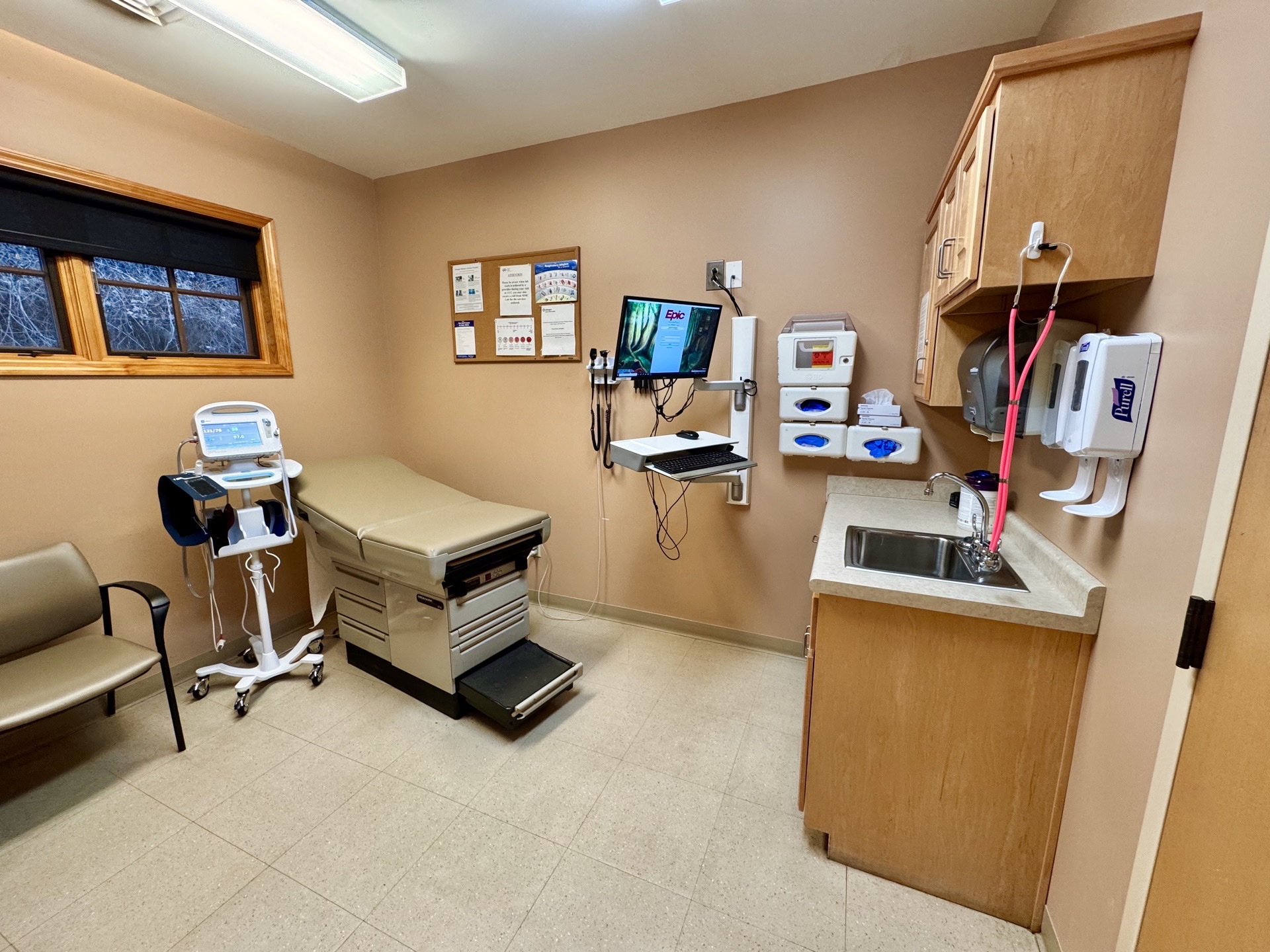
Southeast Asia provides world-class private healthcare at a fraction of Western costs. Premier hospitals like Bumrungrad and Samitivej in Bangkok, FV Hospital in Ho Chi Minh City, BIMC in Bali, and St. Luke's Medical Center in BGC Manila offer Joint Commission International (JCI)-accredited care.
Routine outpatient visits operate with walk-in efficiency. A specialist consultation costs $30 to $90 USD out-of-pocket, while routine blood panels cost $40 to $100.
Dental Procedure Cost Comparison: Southeast Asia vs. US / UK / Canada
| Procedure | Thailand (BIDC) | Vietnam (Elite) | Bali (ARC) | Philippines (GAOC) | US Private Benchmark | Savings % |
|---|---|---|---|---|---|---|
| Scaling & Polishing | $45 – $85 | $25 – $50 | $35 – $70 | $25 – $50 | $150 – $250 | 75% – 85% |
| Composite Filling | $35 – $75 | $25 – $65 | $35 – $70 | $25 – $55 | $180 – $350 | 75% – 85% |
| Zirconia / E.max Crown | $320 – $650 | $200 – $450 | $300 – $550 | $220 – $480 | $1,200 – $2,500 | 65% – 82% |
| Root Canal (Molar) | $280 – $550 | $120 – $320 | $250 – $480 | $150 – $350 | $1,000 – $1,800 | 70% – 85% |
| Titanium Implant + Crown | $1,200 – $2,200 | $800 – $1,600 | $1,200 – $1,900 | $900 – $1,700 | $3,500 – $6,500 | 65% – 78% |
🏥 The Upfront Cash Deposit & Controlled Drug Warnings
- Mandatory Admission Deposits: Private hospitals refuse emergency inpatient admission without either an active Guarantee of Payment (GOP) from an international insurer or an immediate $3,000 to $10,000 USD upfront credit card authorization hold. Always maintain $3,000 in liquid reserves.
- Severe Drug Legality Warning (Adderall): Mixed amphetamine salts (Adderall) are strictly illegal narcotics in Thailand, Vietnam, Indonesia, and the Philippines. Bringing Adderall across borders constitutes drug trafficking under strict local statutes. Ritalin (methylphenidate) is available only through psychiatric hospital departments.
The Hybrid Insurance Strategy: Never purchase expensive outpatient insurance riders ($1,200–$2,800/yr). Pay cash for routine doctor visits ($30–$80). Instead, purchase a high-deductible ($2,500–$5,000) International Private Medical Insurance (IPMI) policy ($800–$1,500/year). This covers $1M+ catastrophic polytrauma, cancer, and emergency air ambulance evacuations ($30,000–$120,000) while eliminating premium waste. Consult our Comprehensive Health Insurance Guide.
10. Actionable Money-Saving Runbooks (SOPs)
Framework: How to Calculate and Optimize Your Southeast Asia Budget in 4 Steps
Follow this operational sequence to establish a realistic runway before booking international flights.
Step 1: Audit Core Fixed Shelter & Utility Baselines
Compare serviced monthly rentals against standard 6-to-12 month residential leases. Factor in mandatory utility billing mechanics, specifically residential electricity tariffs (ranging from $0.12/kWh in Vietnam to upwards of $0.25/kWh in the Philippines), high-speed fiber internet ($15–$30/month), and building management maintenance fees.
Step 2: Model Variable Sustenance, Transit & Coworking Expenses
Calculate your daily variable expenses across three core pillars: nutrition (blending local food markets at $2–$4 per meal with specialty expat dining at $10–$20 per meal), urban mobility (monthly automatic scooter rental at $70–$120 vs Grab/Gojek ride-hailing accounts), and professional workspace needs (coworking dedicated desks at $100–$200/month or cafe budget allocations).
Step 3: Quantify Hidden Regulatory, Visa & Cross-Border Banking Overhead
Incorporate non-obvious operational friction costs that distort nominal budgets. Include bi-monthly immigration extension charges ($50–$80 per renewal cycle or amortized visa runs), international nomad health insurance ($80–$180/month), local ATM foreign card cash withdrawal surcharges (such as Thailand's 220 THB / ~$6.50 fee per withdrawal), and 1–2% cross-border foreign exchange conversion slippage.
Step 4: Stress-Test Your Monthly Burn Rate with a 20% Volatility Buffer
Aggregate your fixed shelter, variable sustenance, and cross-border operational overhead, then apply a non-negotiable 15% to 20% discretionary volatility buffer. This safeguards your capital against seasonal flight price spikes, urgent healthcare deductibles, and unexpected visa policy shifts while maintaining a minimum 6-month liquid cash reserve.
Runbook 10.1: How to Prevent Landlord Security Deposit Theft
- Record 4K Move-In Video: Before moving your luggage in, record an unbroken 4K video showing every floor scuff, window seal, wall mark, and water fixture. Upload to Google Drive and email the link to the landlord within 24 hours.
- Photograph Baseline Utility Meters: Take a clear photo of the physical electric and water meters alongside the landlord on move-in day. Record the exact meter reading in the lease text.
- Insert the Direct Utility Clause: Ensure the lease states: "Electricity billed strictly according to official government invoices (MEA/PEA/EVN/PLN/Meralco) with zero landlord surcharge."
- Enforce a 14-Day Deposit Return SLA: Strike clauses allowing 60 days to return deposits. Require return within 14 calendar days via bank transfer.
Runbook 10.2: How to Bypass Foreign ATM and FX Fees
- Always Decline Conversion (DCC Defense): When an ATM or point-of-sale terminal asks "Accept conversion?" or "Charge in home currency?", always select NO / DECLINE CONVERSION. Let your home bank calculate the exchange rate. This prevents 4% to 8% in hidden markup spreads. Learn our full Dynamic Currency Conversion Defense.
- Withdraw Maximum Amounts: Thai ATMs charge a mandatory 220 THB ($6.50 USD) fee per foreign card pull. Philippine ATMs charge 250 PHP ($4.50 USD). Always withdraw the maximum limit (20,000–30,000 THB / 10,000 PHP) to minimize percentage overhead.
- Route via Multi-Currency Debit Accounts: Maintain an account with Wise, Revolut, or Charles Schwab to avoid 3% foreign transaction fees and secure mid-market exchange rates.
- Maintain Your 2FA Phone Line: Set up Wi-Fi Calling (VoWiFi) before leaving home so banking SMS verification codes continue functioning abroad for $0/month. Review our VoWiFi 2FA Configuration Guide.
Runbook 10.3: How to Cut Tropical AC Electric Bills by 40%
- Lock Thermostats at 26°C (78°F): Every single degree Celsius set below 26°C increases AC power consumption by 8% to 10%. Setting an AC to 18°C doubles energy draw without cooling the room faster.
- Pair AC with Ceiling Fans: Running a low-wattage ceiling fan creates airflow that makes 26°C feel like 23°C, saving 30% on compressor duty cycles.
- Wash Filter Screens Monthly: Pop open the front plastic grille of the indoor unit, pull out the nylon dust filters, and rinse them under the shower. Clean filters boost thermal efficiency by 15%.
- Use Rubber Door Draft Stoppers: Install inexpensive foam or rubber door sweeps under hallway doors to stop tropical humid air from leaking into your cooled room.
Frequently Asked Questions
What is the cheapest country to live in Southeast Asia for digital nomads?
Vietnam is consistently the cheapest mainstream digital nomad and expat destination in Southeast Asia, with baseline comfortable living costs ranging between $750 and $1,200 USD per month in major hubs like Da Nang, Nha Trang, and Hanoi. Modern fully-furnished studio and 1-bedroom apartments near the coast or city center average $250 to $450 per month including high-speed fiber internet. Fresh local meals, phở, and banh mi cost between $1.50 and $3.00, while high-grade Vietnamese specialty coffee costs $1.00 to $2.00. While secondary markets in Cambodia and Laos can have lower nominal prices, Vietnam provides vastly superior digital infrastructure, internet stability, and cafe work culture at equivalent or lower net expenses.
Is Thailand or Vietnam cheaper to live in?
Vietnam is approximately 15% to 30% cheaper overall than Thailand across accommodation, daily dining, and local services. While northern Thailand (Chiang Mai) can closely compete with Vietnam on budget rentals ($300–$500/month), central Bangkok and southern tourist islands (Phuket, Koh Samui) are substantially more expensive, with modern 1-bedroom condos commanding $600 to $1,200/month compared to $350 to $650/month in central Ho Chi Minh City or Da Nang. Additionally, daily dining and beer are cheaper in Vietnam ($1.50–$3.00 street meals vs $2.50–$5.00 in Thailand). However, Thailand offers more developed modern transit systems (BTS/MRT), higher healthcare infrastructure standards, and more robust long-term visa options like the 5-Year Destination Thailand Visa (DTV).
Why has Bali become so expensive recently?
Bali's sharp increase in living costs—especially across Canggu, Berawa, Pererenan, and Ubud—stems from several structural dynamics: 1) A massive post-pandemic influx of high-earning remote workers and lifestyle expats that created severe rental shortages; 2) Speculative property flipping and short-term Airbnb leasing that elevated monthly villa rents from $800–$1,200 in 2021 to $2,000–$4,000+ in 2026; 3) Proliferation of high-end Westernized dining venues and fitness clubs charging Western metropolitan rates ($8 smoothies, $150–$250/month gym passes); 4) Universal application of 10% PB1 local restaurant taxes and 5–10% service surcharges on dining tabs; and 5) Stricter immigration and tourist levy enforcements that elevated regulatory compliance costs.
How much do you realistically need per month to live in the Philippines?
A realistic monthly budget for a single remote worker or digital nomad in the Philippines ranges from $1,200 to $2,200 USD. While provincial destinations like Dumaguete, Iloilo, or Palawan can be managed comfortably on $1,000 to $1,400/month, prime metropolitan nodes like Bonifacio Global City (BGC), Makati, or Cebu City require $1,800 to $2,500/month. Key cost drivers unique to the Philippines include: higher condominium rents ($500–$900/month in Tier 1 CBDs), the most expensive residential electricity tariffs in Southeast Asia ($0.20–$0.26 per kWh, resulting in $120–$200/month air conditioning bills), imported Western grocery markups, and mandatory tourist visa extension renewals (~$50–$85 every 1–2 months) plus ACR I-Card issuance.
Can you live comfortably in Southeast Asia on $1,500 per month?
Yes, $1,500 USD per month provides a very comfortable, upper-middle-class lifestyle for a solo digital nomad across the vast majority of Southeast Asia when based outside of hyper-expensive luxury enclaves. On a $1,500 monthly budget in Chiang Mai, Da Nang, Hanoi, or Kuala Lumpur, you can secure a modern high-rise condo with a swimming pool and fitness center ($350–$550/mo), enjoy a mix of authentic local dining and daily specialty coffee shops ($350–$450/mo), maintain private health insurance and scooter rental ($150–$220/mo), pay for coworking access and high-speed fiber ($100–$150/mo), and still maintain $200–$350/mo in discretionary savings or regional travel funds. However, $1,500/month requires stricter budgeting in Singapore, central Bangkok, or beachfront Bali villas.
Find Your Ideal Relocation Destination
Unsure which Southeast Asian hub fits your exact financial runway and tax residency goals? Run your budget through our interactive Relocation Destination Finder to match your target monthly burn ($800, $1,500, or $2,500+) against visa criteria and statutory tax laws.
Launch Relocation Destination Finder →Related Relocation & Personal Finance Playbooks
Expat Banking Playbook
Wise vs. Revolut vs. Charles Schwab. Learn how to defeat the 220 THB ATM fee and bypass Dynamic Currency Conversion (DCC).
Best Travel eSIMs
Airalo vs. Nomad vs. Holafly vs. local Asian SIM cards. Why local packages save you $30–$50 every month.
10 Zero-Tax Countries
Statutory breakdown of territorial tax havens: Panama, Costa Rica, Paraguay, Malaysia, and Thailand Order P. 161/2566.

Kevin Jaewoong Jeong
Founder & Systems Architect, Jeong Inc. • Global Mobility Researcher
Kevin designs sovereign software architecture, cross-border tax mobility frameworks, and international relocation systems. He has spent years living and working across Southeast Asia, auditing boots-on-the-ground living costs, telecom infrastructure, and banking rails.