The Canadian Expat & Entrepreneur Guide to the Philippines
An exhaustive, battle-tested operational guide for moving to, working remotely in, and living long-term in the Philippines. Covers the 36-Month 9(a) Tourist Visa Extension framework, ACR I-Card registration, the Special Resident Retiree's Visa (SRRV), territorial tax rules under NIRC Section 23, private healthcare networks, and realistic BGC, Cebu, and Siargao budgets.
⚡ Philippines at a Glance for Canadians & Nomads
- Uninterrupted 3-Year Stay: Initial 30-day visa waiver extendable up to 36 continuous months (3 years) without leaving the country via the Bureau of Immigration.
- Territorial Tax Exemption: Foreign-sourced remote employment, consulting fees, and SaaS revenue earned outside the Philippines are 100% tax-exempt under Section 23 of the NIRC.
- English Standard: Universal English fluency in government, commerce, healthcare, and daily life, eliminating translation bottlenecks.
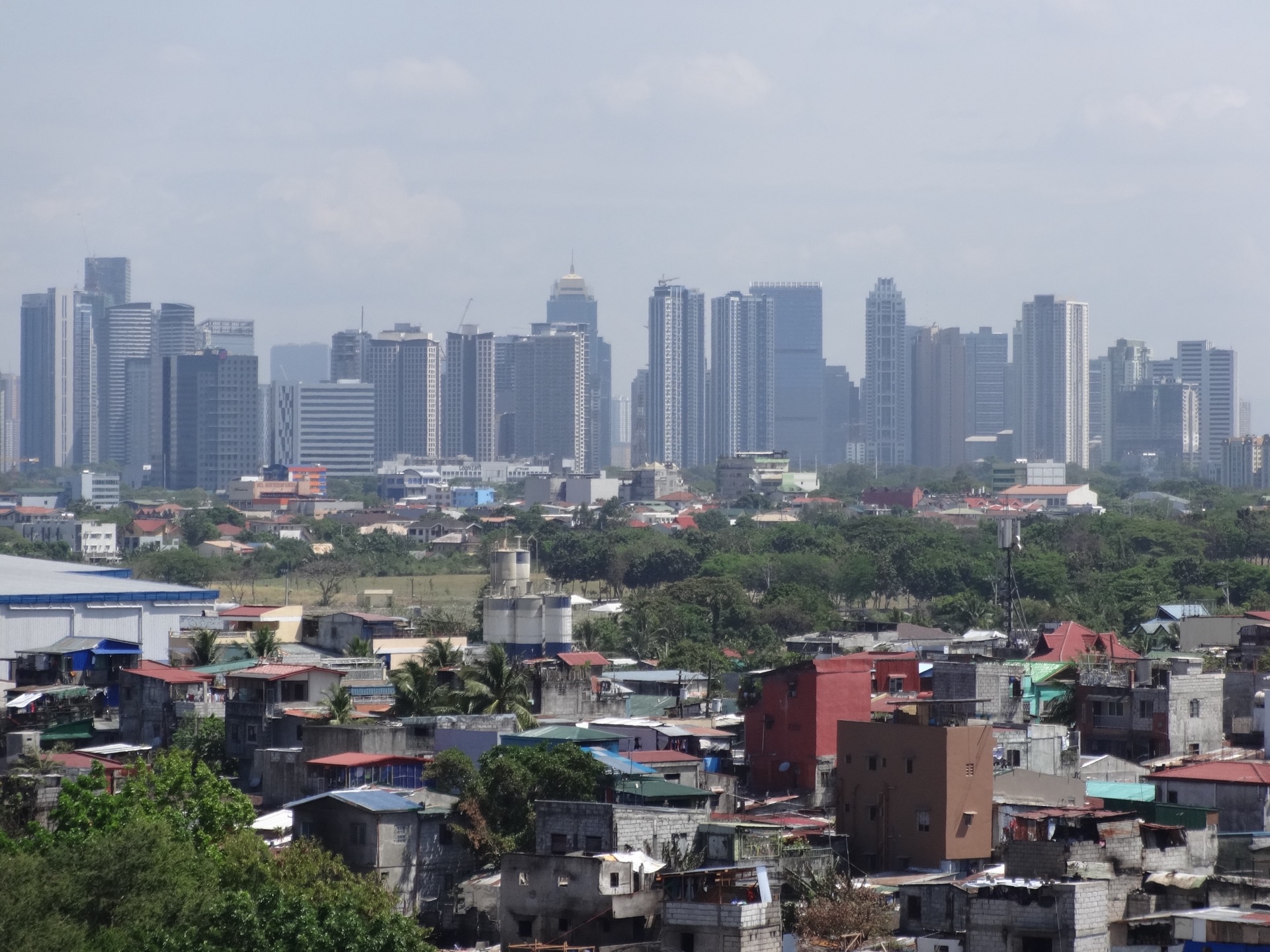
- Living Costs: ~$1,100–$1,500 USD/mo in Cebu/Siargao; ~$1,800–$2,400 USD/mo in ultra-modern Bonifacio Global City (BGC, Manila).
1. Executive Summary & Legal Framework
The Philippines represents Southeast Asia's most accessible long-term residency hub for North American expats, entrepreneurs, and digital nomads. Unlike Thailand, Vietnam, or Indonesia—which require periodic border runs or strict investment minimums—the Philippine Bureau of Immigration (BI) operates a uniquely flexible statutory framework allowing foreign nationals to extend basic tourist status for up to 3 full years consecutively inside the country.
Combined with widespread English fluency, modern private medical facilities in Metro Manila and Cebu, and complete domestic tax exemption on foreign-sourced earnings, the country serves as an exceptional soft-landing base for global builders.
2. Visa Frameworks & Residency Pathways
| Visa Category | Cost / Financial Proof | Maximum Stay | Extension Schedule | ID / Banking Rights |
|---|---|---|---|---|
| 9(a) Tourist Visa Extension Track | ~3,000–8,000 PHP per extension (~$55–$145 USD) | 36 Months (3 Years) | 1, 2, or 6-month increments via BI office or e-Services | ACR I-Card after 59 Days |
| SRRV Classic (Retirement Visa) | $10,000–$20,000 USD time deposit in DBP / LandBank (Age 50+) | Indefinite / Permanent | Annual PRA ID renewal only ($360 USD/yr) | Permanent Residency & Multi-Entry |
| SIRV (Special Investor's Resident Visa) | $75,000 USD equity investment in BOI-listed Philippine enterprise | Indefinite (While investment active) | Annual BOI compliance audit | Full Commercial Entity Rights |
3. Tax Architecture: NIRC Section 23 Territorial Rules
The Philippines operates a strict territorial tax principle for non-citizens under the National Internal Revenue Code (NIRC / Republic Act No. 8424):
⚖️ The 3 Golden Rules of Philippine Taxation for Expats
1. Section 23(D) & (E) Protection: "An alien individual, whether a resident or not of the Philippines, is taxable only on income derived from sources within the Philippines." Remote work performed for Canadian, US, or foreign corporate clients paid into overseas bank accounts is 100% tax-free in the Philippines.
2. 180-Day Physical Presence Test: Foreigners staying over 180 days in a calendar year are classified as Non-Resident Aliens Engaged in Trade or Business (NRAETB) for local income purposes. However, their foreign-sourced earnings remain completely exempt from Philippine Bureau of Internal Revenue (BIR) assessment.
3. Local Withholding: If you open a Philippine peso bank account, local deposit interest is subject to a standard 20% final withholding tax deducted automatically by the bank.
4. Real Cost of Living: BGC (Manila) vs. Cebu vs. Siargao
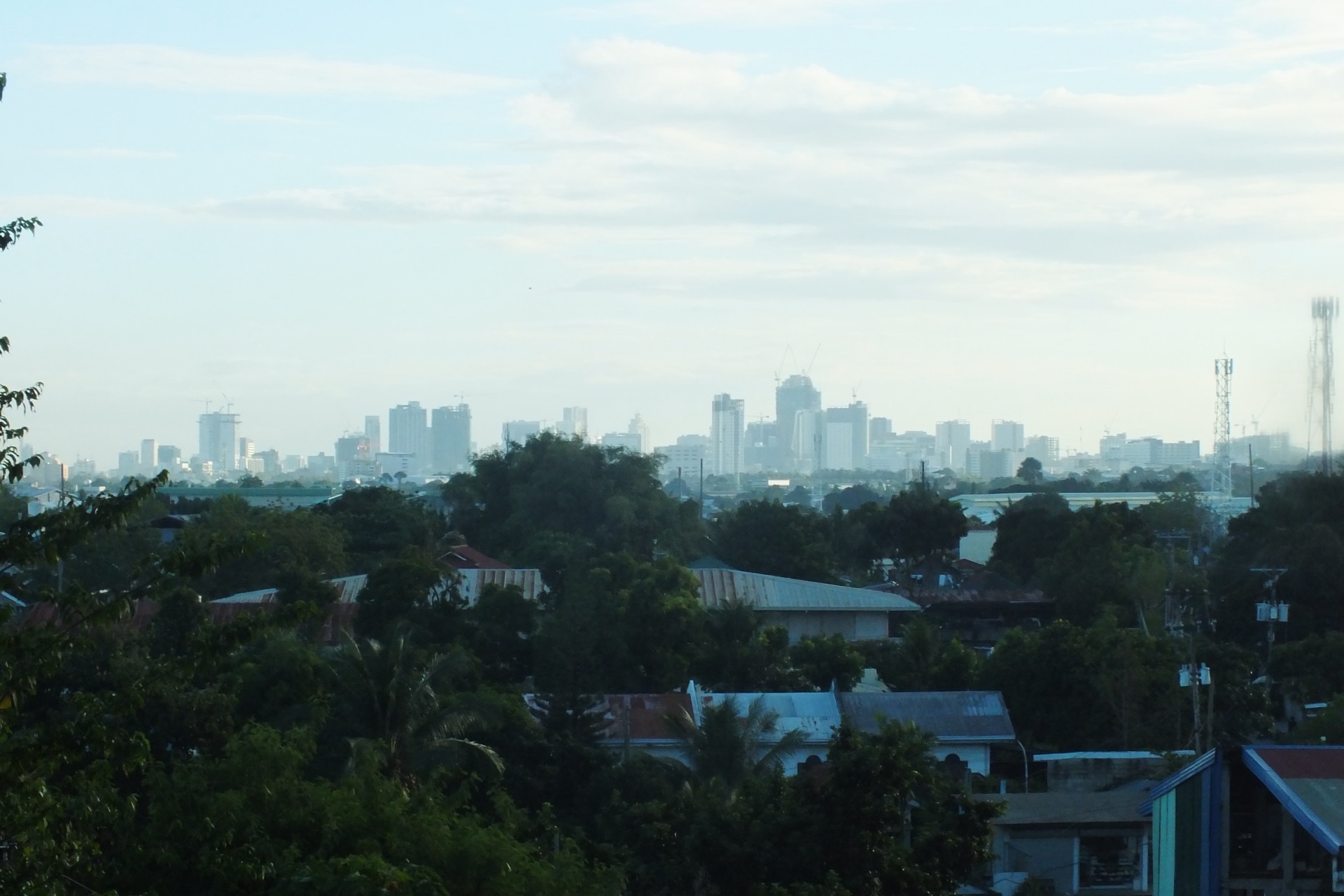
Verified monthly operating budgets for solo technical founders living in modern 1-bedroom serviced condos:
| Expense Category | Manila (BGC / Taguig 1BR High-Rise) | Cebu (IT Park / Lahug 1BR) | Siargao (General Luna Villa) |
|---|---|---|---|
| 1BR Condo & Fiber Internet | 50,000 PHP (~$890 USD / ~$1,210 CAD) | 26,000 PHP (~$465 USD / ~$630 CAD) | 22,000 PHP (~$390 USD / ~$530 CAD) |
| Food, Groceries, & Dining | 25,000 PHP (~$445 USD / ~$605 CAD) | 18,000 PHP (~$320 USD / ~$435 CAD) | 16,000 PHP (~$285 USD / ~$390 CAD) |
| Coworking Space (KMC / Common Ground) | 9,000 PHP (~$160 USD / ~$220 CAD) | 6,000 PHP (~$105 USD / ~$145 CAD) | 4,500 PHP (~$80 USD / ~$110 CAD) |
| Grab Transit & 5G Unlimited Mobile | 7,000 PHP (~$125 USD / ~$170 CAD) | 4,000 PHP (~$70 USD / ~$95 CAD) | 3,500 PHP (~$60 USD / ~$85 CAD) |
| Private Health (Pacific Cross / AXA) | 3,500 PHP (~$60 USD / ~$85 CAD) | 3,500 PHP (~$60 USD / ~$85 CAD) | 3,500 PHP (~$60 USD / ~$85 CAD) |
| ESTIMATED TOTAL / MO | 94,500 PHP (~$1,680 USD / ~$2,290 CAD) | 57,500 PHP (~$1,020 USD / ~$1,390 CAD) | 49,500 PHP (~$875 USD / ~$1,200 CAD) |
5. Healthcare & Medical Evacuation Protocols
Healthcare in the Philippines operates on sharp regional disparities:
- Tier-1 Metropolitan Care: JCI-accredited private hospitals in Metro Manila (St. Luke's Medical Center Global City, Makati Medical Center) and Cebu (Chong Hua Hospital) offer world-class medical facilities, English-speaking surgeons, and modern diagnostic technology.
- Provincial & Island Medevac Risk: Secondary islands (Siargao, Palawan, Boracay) have limited emergency trauma care. Any serious accident or surgical emergency requires an emergency domestic air ambulance flight (~$15,000–$35,000 USD out of pocket unless covered by insurance) to Manila or Singapore.
- Essential Medical Underwriting: Maintain a dedicated international IPMI policy or comprehensive expat plan with at least $250,000 USD in emergency evacuation coverage. See our Inpatriate vs. Expat Insurance Guide for Canadian departure advice.
6. Administrative & Banking Setup
- ACR I-Card (Alien Certificate of Registration): Issued automatically at your first visa extension beyond 59 days. The card contains your photo, fingerprint, and legal status, functioning as your primary government ID for opening Philippine bank accounts (BDO, BPI, UnionBank).
- ECC (Emigration Clearance Certificate): If you stay continuously in the Philippines for more than 6 months on a tourist visa, you must obtain an ECC from a Bureau of Immigration office at least 3–5 days prior to departing the country.
- SIM Registration Act (RA 11934): Foreigners must register local Globe or Smart SIM cards by presenting a passport and tourist visa extension stamp on the telco's official portal.
🏛️ Official Statutory & Government Sources
- Bureau of Immigration (BI Philippines): BI Official Portal — Commonwealth Act No. 613 & 36-Month 9(a) Tourist Extension Guidelines.
- Philippine Retirement Authority (PRA): Special Resident Retiree's Visa (SRRV) Framework — Deposit Requirements & Age Criteria.
- Bureau of Internal Revenue (BIR): National Internal Revenue Code (NIRC / RA 8424) — Section 23 Territorial Tax Exemption Directives.
- Board of Investments (BOI): Special Investor's Resident Visa (SIRV) Portal — $75k Qualifying Investment Regulations.
🔗 Related Destination & Strategy Playbooks
Explore interconnected legal, healthcare, and tax frameworks across our global network:
Thailand Bootstrapper Playbook
5-Year DTV ($290 fee), $900/mo burn in Chiang Mai, & P. 161 tax rules.
Malaysia Bootstrapper Playbook
DE Rantau Nomad Pass & 3% Labuan corporate tax entity structure.
Inpatriate Healthcare Traps
Provincial health cancellations (OHIP/MSP) and international medevac rules.
Expat Phone & 2FA Setup
Keep Canadian bank 2FA SMS and CRA logins active while living abroad.

Written by Kevin Jaewoong Jeong
Founder of Jeong Inc. Researches sovereign relocation, cross-border corporate architecture, and Southeast Asian residency frameworks.